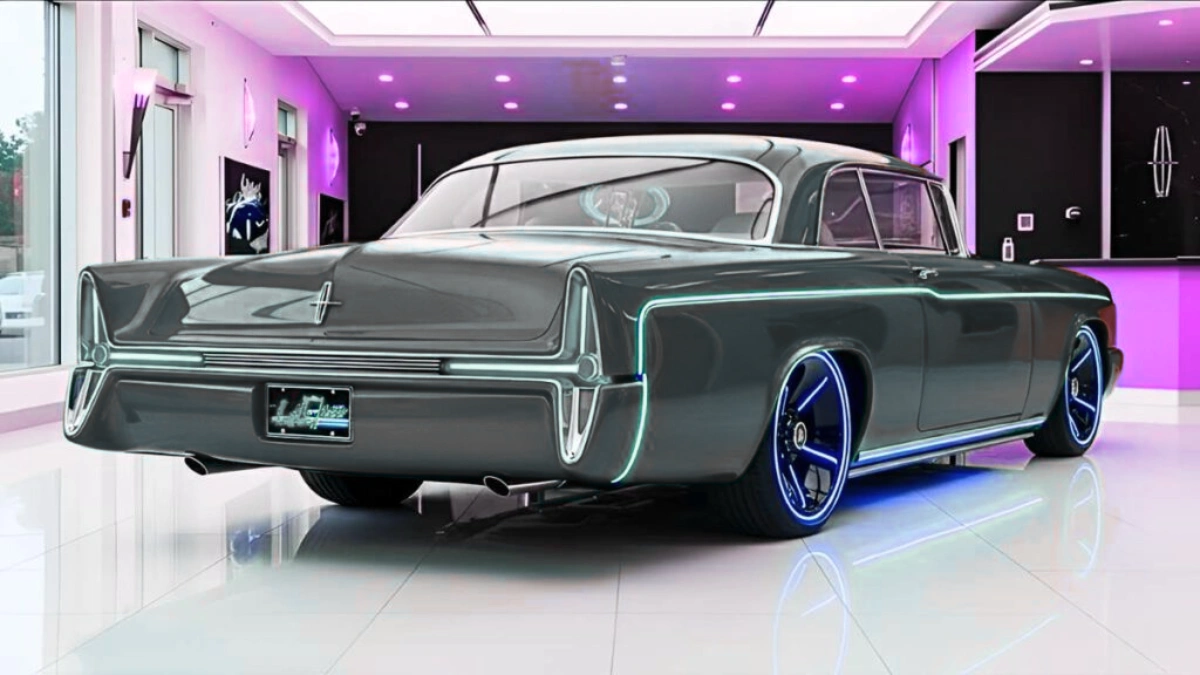
The 1952 Lincoln Capri stands as one of the most influential luxury cars of the early fifties, marking a turning point in American automotive refinement, engineering quality, and premium design. As Lincoln’s new flagship nameplate, the Capri reintroduced the brand with a stronger identity built around smooth performance, upscale craftsmanship, and advanced features that would influence future generations of luxury vehicles. Today, the 1952 Capri is remembered as a standout classic that helped set new expectations for elegance and driving comfort in the postwar automotive era.
A Bold Exterior That Set a New Standard for Luxury Style
The 1952 Lincoln Capri arrived with a clean, confident design that emphasized long, flowing lines and a dignified stance. Its wide chrome grille, sleek fender curves, and precisely shaped body panels reflected the growing American fascination with streamlined styling. The Capri embraced both sophistication and strength, giving drivers a luxury presence that clearly distinguished it from mid-market cars. Hardtop, coupe, and convertible models allowed buyers to choose the personality that best matched their lifestyle.

V8 Performance That Delivered Smooth, Effortless Power
Under the hood, the 1952 Capri featured Lincoln’s powerful 317 cubic inch V8 engine, a major engineering leap for the brand. Paired with the Hydra Matic automatic transmission, the Capri delivered refined acceleration, strong mid range torque, and exceptional smoothness at highway speeds. This performance foundation elevated Lincoln’s reputation and made the Capri a favorite among luxury buyers who wanted both comfort and commanding capability.
Key Performance Highlights
Here is the single bullet point section required:
• 317 cubic inch V8 engine offering smooth, reliable power
• Hydra Matic automatic transmission for effortless shifts
• Strong torque delivery ideal for long distance cruising
• Improved suspension for a more comfortable ride
• Recognized for refined highway performance compared to rivals

A Cabin Crafted With True American Luxury
Inside, the 1952 Capri showcased a premium interior built around comfort and sophistication. Plush seating, elegant chrome detailing, and high quality materials offered passengers an experience far ahead of most early fifties vehicles. The wide dashboard design with clear gauge placement reflected Lincoln’s focus on driver convenience and overall luxury. For families and executives alike, the Capri provided a travel environment that felt upscale, relaxed, and modern.
Driving Experience That Redefined the Luxury Category
Behind the wheel, the Capri impressed drivers with its quiet ride, responsive steering, and stable handling. Its balanced suspension tuning helped reduce road harshness, and the V8 engine provided confident acceleration. The Capri quickly gained recognition as one of the smoothest and most comfortable American luxury cars of its time, reshaping expectations for what a premium sedan should deliver.

1952 Lincoln Capri Overview Table
Below is the required single table summarizing key highlights:
| Category | Details |
|---|---|
| Engine | 317 cubic inch V8 |
| Transmission | Hydra Matic automatic |
| Body Styles | Coupe, convertible, and hardtop |
| Interior | Premium materials with elegant chrome trim |
| Ride Quality | Smooth, quiet, and refined |
| Historical Impact | Elevated American luxury standards in the early 1950s |
A Classic That Influenced an Entire Generation of Luxury Cars
The Capri’s blend of power, comfort, and styling set a new benchmark for American luxury vehicles. Its combination of elegant design and advanced engineering pushed the entire industry forward, inspiring future Lincoln models and influencing the broader luxury segment. Today, the 1952 Capri remains a prized collectible known for its craftsmanship and historical importance.

Conclusion:
The 1952 Lincoln Capri is the classic luxury car that redefined American automotive standards with its refined V8 power, elegant styling, and premium interior experience. As a milestone model for Lincoln, it introduced new expectations for comfort and sophistication, leaving a lasting legacy that continues to shape the identity of American luxury automobiles.
Disclaimer: This article is based on historical interpretations and details may vary depending on specific model condition and documentation.