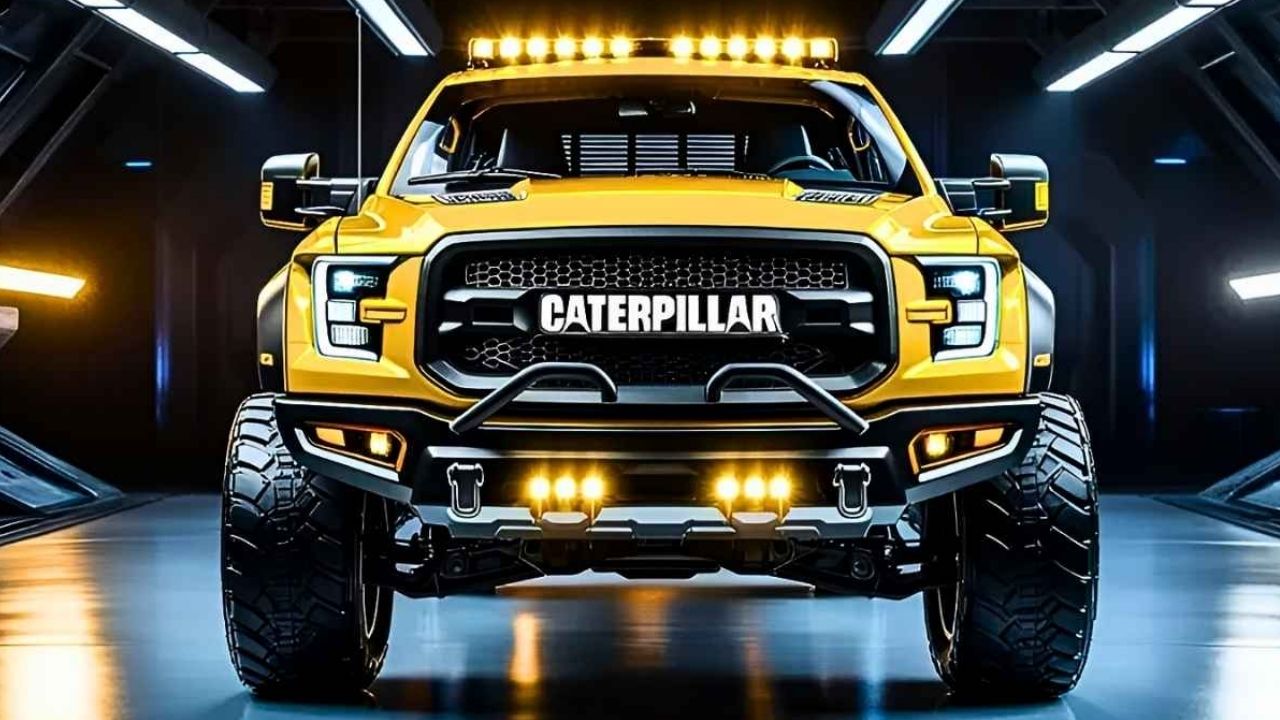
The idea of a Caterpillar-branded truck entering the consumer market has captured widespread attention across automotive forums, social media, and speculative news sites. Known for manufacturing some of the world’s most powerful construction and earth-moving machines, Caterpillar is a brand associated with durability, strength, and uncompromising engineering. So when images and concept descriptions of a supposed 2026 Caterpillar Truck began circulating online, many naturally wondered whether the industrial giant was preparing to enter the pickup segment with a vehicle that could redefine heavy-duty capability. While this enthusiasm is understandable, the story behind the so-called Caterpillar Truck is much more complicated than the eye-catching concepts suggest. This article takes a closer look at the claims, the appeal of such a truck, and the reasons industry experts remain skeptical.
A Truck Designed With Industrial Influence
The rumored 2026 Caterpillar Truck, as portrayed in speculative renderings and online articles, is described as a bold and imposing machine. It borrows heavily from the brand’s construction equipment, featuring sharp lines, reinforced steel structures, skid plates, oversized bumpers, and a high-riding suspension setup designed to endure punishing work environments. The styling cues echo Caterpillar’s signature rugged identity, with a grille inspired by industrial machinery and bodywork intended to resist dents, debris, and harsh weather conditions.
These design details position the concept as a truck built not only for everyday driving but for challenging terrains and high-demand job sites. Enthusiasts imagine it as a vehicle capable of surviving construction zones, agricultural fields, remote backcountry roads, and heavy off-road use. This unique design language creates a sense of purpose and toughness that even traditional heavy-duty trucks rarely convey. It is this aesthetic and functional promise that helps fuel interest in the possibility of a Caterpillar-branded truck.

Rumored Performance: Extreme Power and Capability
Among the most eye-catching claims surrounding the 2026 Caterpillar Truck are its performance numbers. Online reports frequently suggest that the truck would be powered by a large turbo-diesel V8, often described as a 6.7-liter engine producing roughly 500 horsepower and torque figures approaching 1,200 Nm. These numbers, if authentic, would place the truck among the most powerful diesel pickups on the market.
Beyond engine output, speculative descriptions include advanced four-wheel-drive systems, locking differentials, high-capacity towing, and heavy payload capability designed for industrial users. Some sources also suggest multi-mode terrain management and enhanced cooling systems that allow the truck to operate under extreme load conditions for extended periods.
While such specifications make the Caterpillar Truck sound like a workhorse capable of handling everything from construction equipment transport to long-distance towing, it is important to recognize that none of these claims have been validated. They exist purely in the realm of speculation and reflect what fans hope Caterpillar could build rather than what the company has announced.

Inside the Cabin: Tough Yet Surprisingly Modern
Though the exterior and performance details emphasize industrial ruggedness, concept depictions portray the interior as comfortable and well-equipped with advanced technology. Reports often describe a driver-centric cabin featuring digital displays, touch-based infotainment systems, supportive seating, and sound insulation that separates the occupants from noisy job-site environments. The goal, as imagined by fans, is to create a truck that maintains the no-nonsense capability of Caterpillar’s equipment while also delivering the refinement expected from modern pickups.
These interior appointments suggest that the truck could appeal to contractors, engineers, and workers who spend long hours in their vehicles and need both convenience and durability. Features such as 360-degree cameras, blind-spot detection, lane-keeping assistance, and adaptive cruise control also feature prominently in speculative descriptions. Again, these reflect market expectations more than any confirmed development from Caterpillar.
Why the Caterpillar Truck Idea Took Off
Although Caterpillar has not confirmed the existence of a consumer pickup, interest in the idea remains high for several reasons. First, Caterpillar’s reputation for producing nearly indestructible machinery makes many buyers believe the brand could create a truck built to last decades under harsh conditions. Second, the pickup market has increasingly shifted toward luxury and lifestyle branding, leaving a gap that a tough, industrial-grade truck could fill. A Caterpillar truck would appeal to buyers who want utility above all else, backed by genuine heavy-machinery experience rather than consumer-market compromises.

The idea also aligns with broader trends in automotive enthusiasm. Many truck fans crave vehicles with authentic capability rather than aesthetic toughness. The Caterpillar name creates an image of engineering seriousness that resonates strongly with this audience. This combination of brand identity and unmet market desire explains why the concept spread quickly, even without official input from Caterpillar.
The Reality Behind the Rumor
Despite widespread speculation, the biggest issue remains that Caterpillar has never announced, confirmed, or hinted at producing a consumer pickup truck. Industry analysts, automotive publications, and fact-checking platforms have repeatedly examined the story and found no evidence supporting the rumored 2026 Caterpillar Truck. In fact, several credible reports have labeled the rumor a hoax.
Many of the images circulating online appear to be AI-generated, digitally modified, or derived from custom-built pickups using Caterpillar-themed graphics rather than representing real prototypes. The lack of regulatory filings, manufacturing announcements, testing photos, or official statements further supports the conclusion that the truck is not in development.

Building a consumer truck would also require Caterpillar to enter a completely new manufacturing space, navigate emissions regulations, develop dealer networks, and compete with long-established truckmakers. Without clear strategic benefit, such a move seems unlikely at present.
Why the Idea Still Matters
Even though the Caterpillar Truck is almost certainly not real, the enthusiasm surrounding it highlights a shift in consumer expectations. Many truck buyers desire vehicles with genuine strength, long-term reliability, and mechanical durability—qualities Caterpillar embodies more than most brands. The popularity of the concept suggests that automakers might benefit from exploring more rugged, function-first designs rather than continuing the trend toward luxury-focused full-size trucks.
Conclusion: A Fascinating Concept, but Not an Official Future Product
The rumored 2026 Caterpillar Truck remains an intriguing “what-if” scenario. While concept renderings and speculative claims paint a picture of a machine combining industrial power with advanced modern technologies, there is no evidence that Caterpillar is preparing to enter the pickup market. The appeal of the concept is undeniable, and it reveals a strong appetite for trucks with genuine work-ready capability. But until Caterpillar itself announces such a program, the 2026 Caterpillar Truck should be viewed as a creative vision rather than an upcoming reality.