
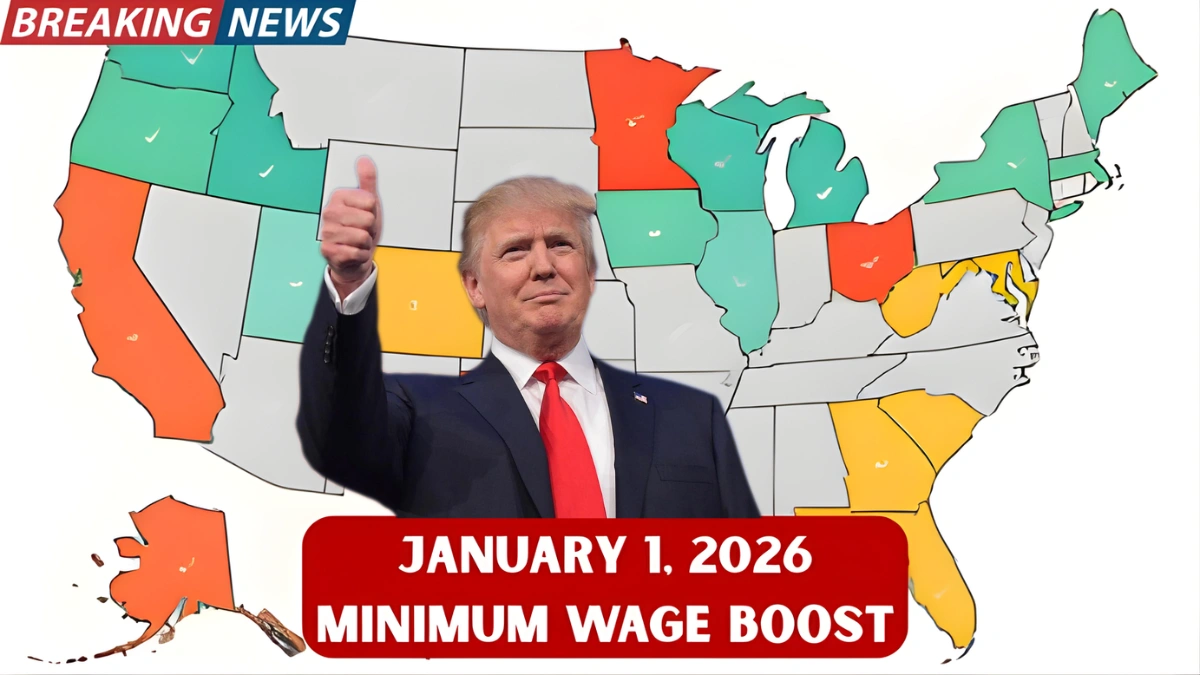
Millions of workers across the United States will see their paychecks increase as new minimum wage laws take effect on January 1, 2026. Driven by inflation pressures, cost-of-living spikes, and voter-approved wage initiatives, states and cities nationwide are implementing automatic adjustments or scheduled raises. This year’s boost brings some of the most significant hourly wage increases seen in the past decade, offering much-needed financial relief to lower-income workers and families.
Why So Many States Are Increasing Minimum Wage in 2026
Several states have laws that automatically increase the minimum wage each year to match inflation. Others are in the middle of multi-year wage expansion plans passed by voters or state legislatures. With the cost of housing, food, and transportation rising over the last two years, the minimum wage adjustments arriving in 2026 aim to help workers regain purchasing power and reduce economic strain.
This year’s increases reflect both economic necessity and long-term wage policy commitments.

| Category | 2026 Minimum Wage Update |
|---|---|
| Effective Date | January 1, 2026 |
| States Raising Wages | 20+ states |
| Highest Increases | CA, WA, NY, CT, NJ, CO |
| Main Reason | Inflation indexing and pre-scheduled laws |
States With the Largest Minimum Wage Jumps in 2026
Some of the biggest increases are happening in states with strong worker-protection laws. California and Washington are once again among the highest, raising hourly pay in response to inflation indicators and statewide wage mandates. New York, Connecticut, New Jersey, Colorado, and Arizona are also implementing significant adjustments as part of ongoing multi-year wage policies.
These states continue to lead the nation in pushing wages toward the $16–$18 per hour range.
States With Moderate Increases Through Inflation Indexing
Many states including Minnesota, Ohio, Florida, Oregon, Missouri, and Hawaii are adjusting their minimum wage based on inflation-tracking formulas. These changes, although smaller, ensure workers’ earnings do not fall behind rising living costs. Employers receive advance notice of increases, allowing them to plan payroll budgets for the new year.

Inflation indexing helps stabilize income and protect workers year after year.
States Keeping Their Current Minimum Wage for 2026
Several states, primarily in the South and Midwest, are not raising their minimum wage for 2026 because they follow the federal minimum wage of $7.25 per hour, unchanged since 2009. In these areas, local cities or counties may still implement their own higher wage rules, but statewide increases remain stalled without legislative action.
The growing gap between these states and higher-wage states continues to widen.

Impact on Workers and Families Across the Country
The January 1 wage boost is expected to raise earnings for service-sector workers, entry-level employees, hospitality staff, and seasonal workers who depend heavily on hourly wages. Economic analysts say the increases could help offset rising grocery prices, rent inflation, and transportation costs. For families living paycheck-to-paycheck, even a small increase can significantly improve monthly budgeting.
The wage rise aims to deliver stability at a time of continued financial pressure.
How Businesses Are Preparing for the 2026 Wage Increase
Small and medium-sized businesses are adjusting to the new wage laws by updating payroll systems, revisiting staffing plans, and adopting new operational strategies. Larger employers with nationwide operations are incorporating regional adjustments based on where increases apply. Some businesses are turning toward automation, scheduling tools, and productivity improvements to manage labor costs.

The shift reflects how minimum wage increases influence broader economic planning.
Long-Term Trends Show More Wage Hikes Ahead
Experts predict that more states will raise their minimum wages in 2027 and beyond as inflation remains a key factor in policymaking. With Congress unable to reach consensus on updating the federal minimum wage, states are continuing to take independent action. Labor groups expect further ballot initiatives and legislative proposals in multiple states throughout 2026.
The trend suggests that state-level wage increases will remain the dominant force shaping worker pay.

Conclusion:
The January 1, 2026 minimum wage boost marks a significant moment for workers across more than twenty states. With inflation adjustments, multi-year wage plans, and cost-of-living increases pushing hourly rates higher, millions of employees will begin the new year with improved earnings. As states continue to diverge on wage policy, the 2026 adjustments highlight the evolving landscape of labor fairness and economic stability in the United States.
Disclaimer: This article is based on current wage laws, inflation indexing policies, and legislative updates from state authorities. Final statewide wage levels may vary depending on upcoming amendments or ballot measures.